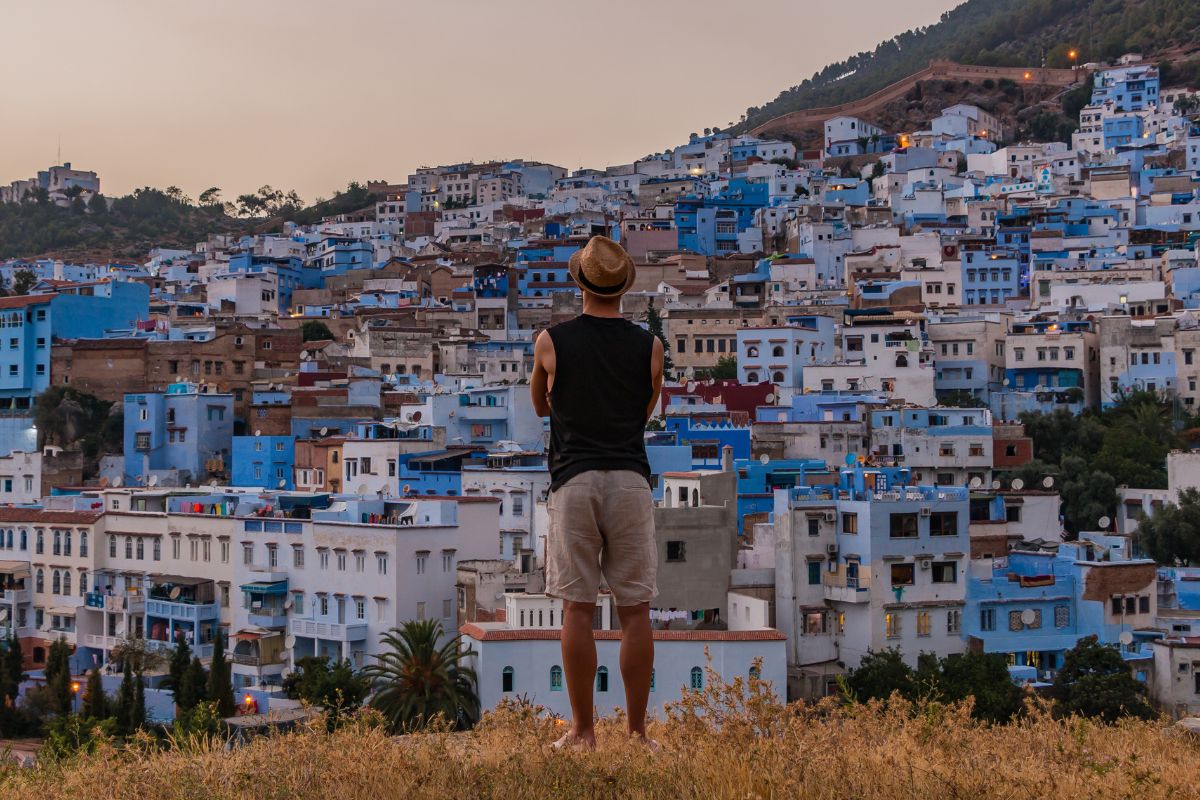
Chefchaouen, also known as the Blue Pearl of Morocco, is one of the most photogenic and enigmatic destinations in North Africa. Its cobbled streets and buildings painted in different shades of blue attract thousands of tourists every year, but many wonder: why is Chefchaouen blue?
In this article, we explore the theories, history, and symbolism behind the blue color that covers this unique Moroccan city.
History of Chefchaouen
Founded in 1471, Chefchaouen began as a small fortress to resist Portuguese invasions. Over time, it became a refuge for Muslims and Jews expelled from Spain during the Reconquista. Its architecture, cuisine, and culture reflect this mix of Andalusian, Berber, and Arab influences.
Why Is Everything Blue?
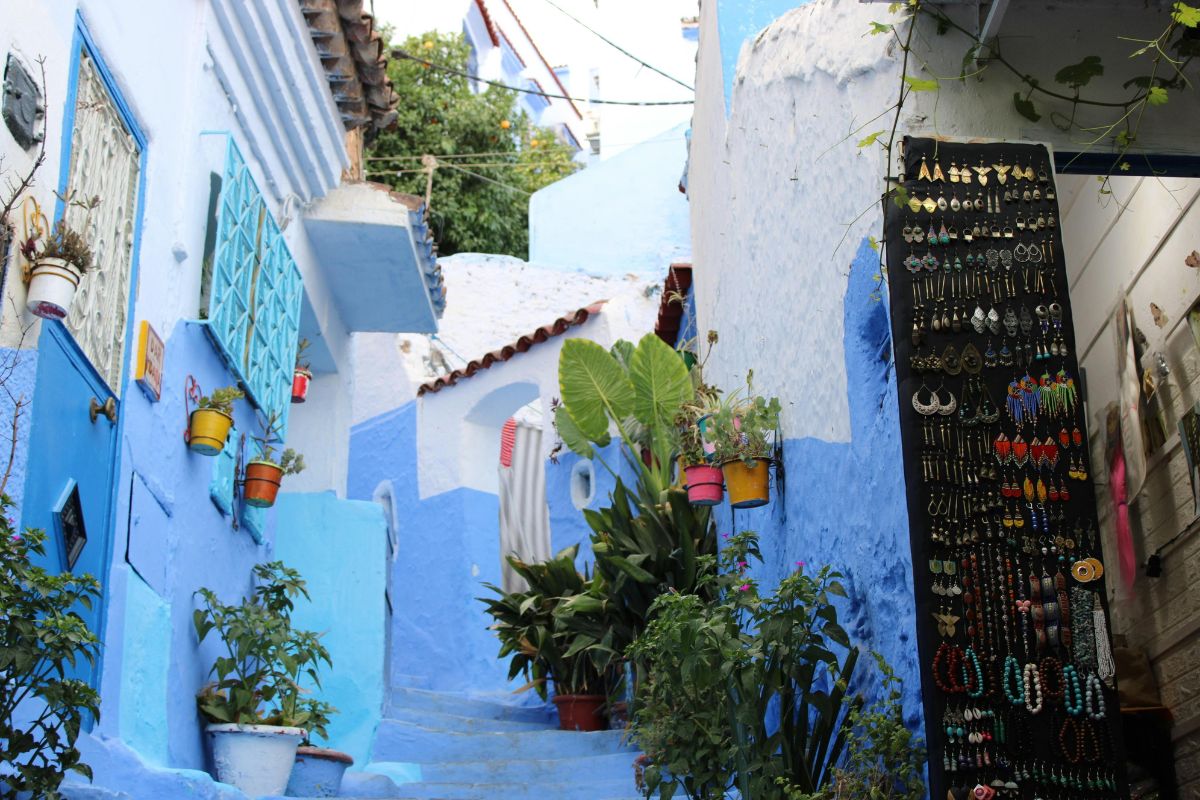
There are several theories about the origin of the color blue in Chefchaouen. Although there is no definitive answer, these are the most widely accepted explanations:
1. Jewish Influence
One of the most popular theories holds that Jewish refugees who arrived in the 15th century began painting the walls blue as a spiritual symbol. In Jewish tradition, blue represents the sky and the divine, serving as a constant reminder of God.
2. Mosquito Repellent
Some believe that blue helps keep mosquitoes away, as the color is said to confuse the insects and keep them at bay. Although this theory has not been scientifically proven, it remains a popular local belief.
3. Reflection of the Sky and Sea
Another explanation is that blue symbolizes peace, water, and the sky. In a mountainous city with no nearby coastline, the color blue may have been a symbolic way to bring the sea closer and evoke tranquility.
4. Modern Tourist Attraction
Today, blue also serves a tourist function. Chefchaouen’s unique aesthetic attracts photographers, influencers, and travelers from around the world, benefiting the local economy. Maintaining the blue color has become a priority in order to preserve its identity and visual charm.
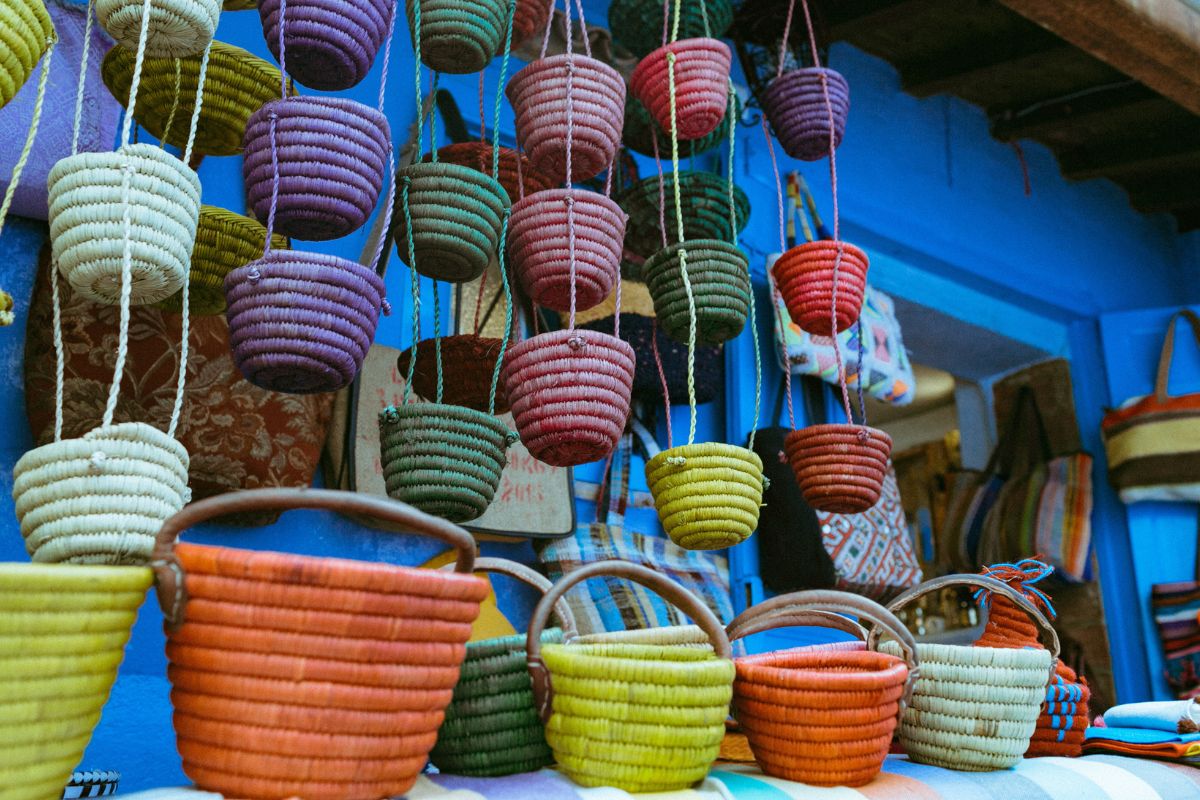
When to Visit Chefchaouen?
The best time to visit Chefchaouen is during spring (April to June) or fall (September to November). The weather is pleasant, and the city looks especially vibrant in natural light.
Tips for Travelers
Bring a good camera: every corner is picture-perfect!
Respect the local culture and avoid photographing people without permission.
Try the artisan bread and cheeses of the region.
Don’t miss a walk to the viewpoint of the Spanish mosque at sunset.
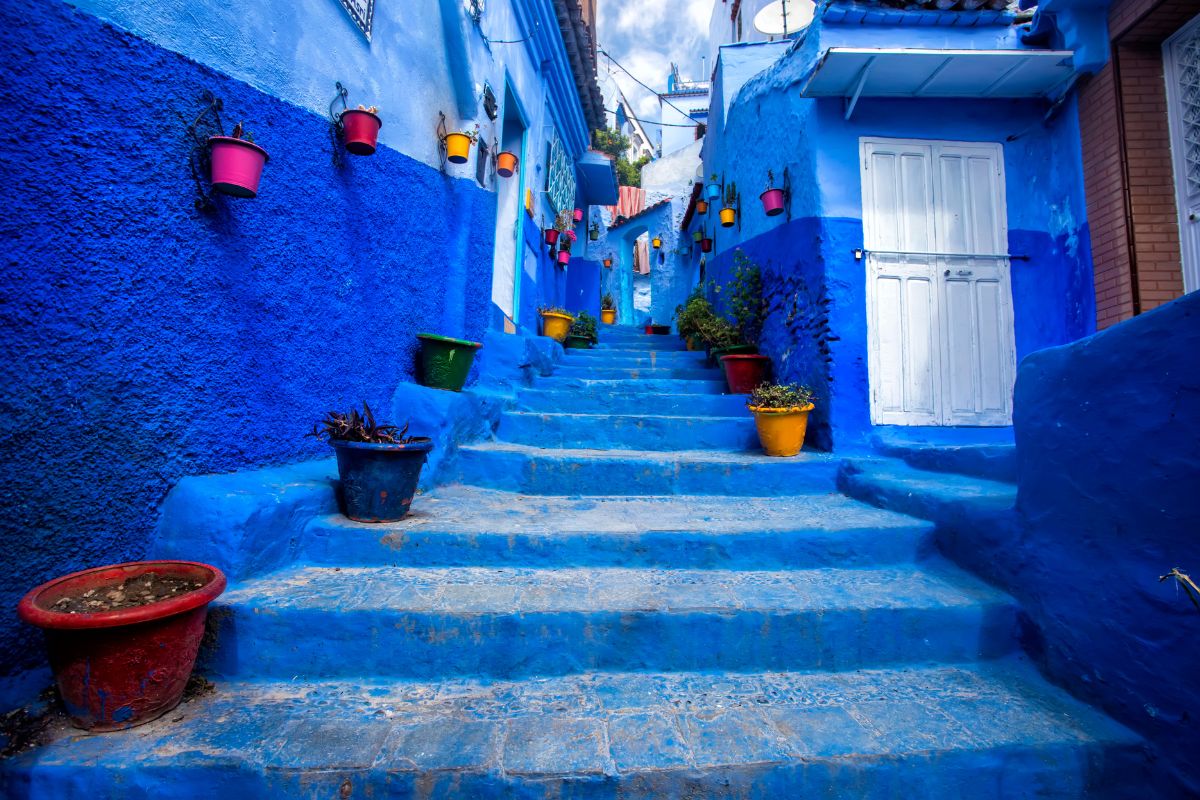
Chefchaouen is not only blue for aesthetic reasons, but also because of its rich mix of history, religion, culture, and symbolism. It is a place that seems to have come out of a dream, and its blue color is a constant reminder of its unique legacy.
If you are planning a trip to Morocco, Chefchaouen is an essential destination that captivates all the senses.